Authenticating Designer Handbags: Red Flags and Verification Tips
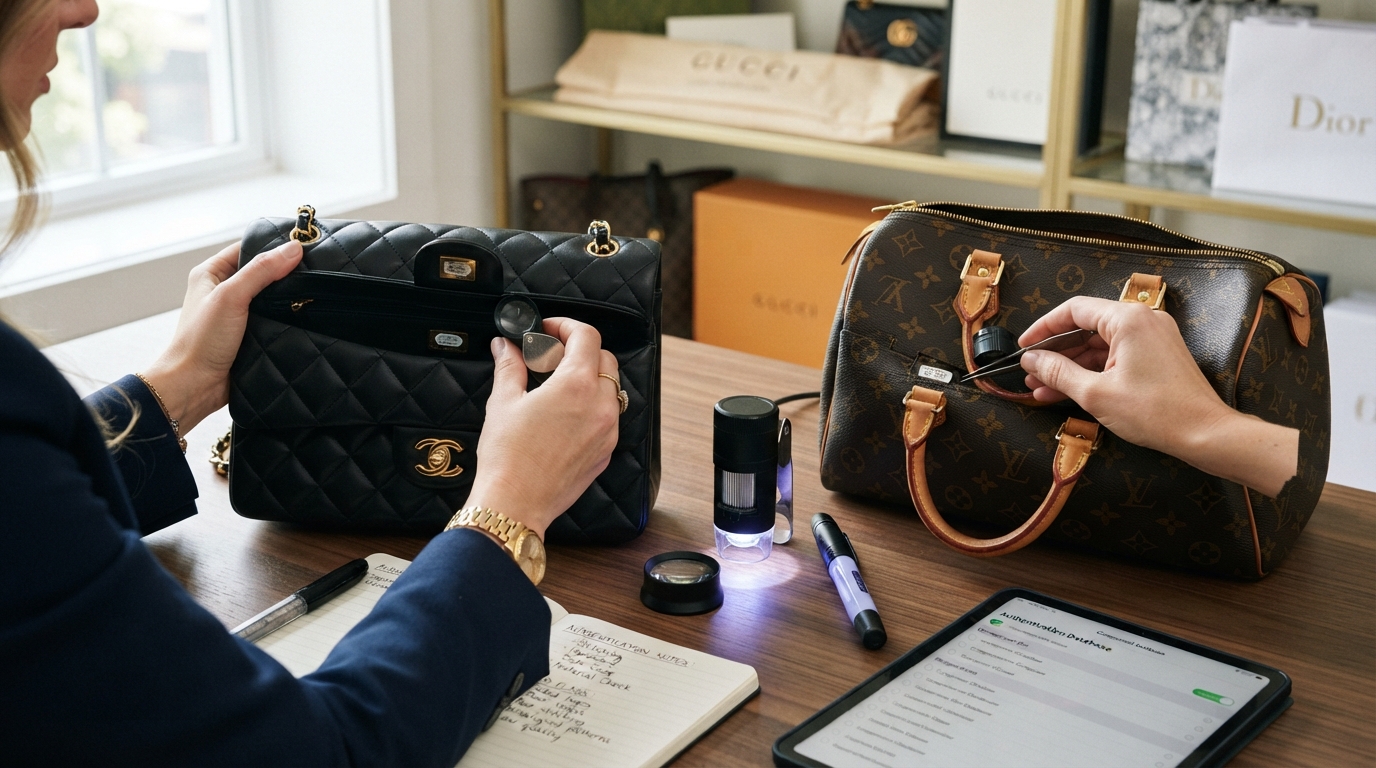
In short: Authenticating designer brand handbags involves scrutinizing details like stitching, hardware, materials, and serial numbers.
Key takeaways
- Thoroughly inspect craftsmanship, materials, and hardware for authenticity.
- Be wary of deals that seem too good to be true.
- Understand brand-specific authentication features like date codes and serial numbers.
- Utilize professional authentication services for high-value items.
- Educate yourself continuously on common counterfeit tells for various brands.
Authenticating designer handbags involves scrutinizing details like stitching, hardware, materials, and serial numbers. Look for inconsistencies in craftsmanship, poor quality components, and incorrect branding as key red flags to avoid counterfeits when reselling.
As a reseller, your reputation hinges on the authenticity of the products you sell. Counterfeit designer handbags can damage your business, lead to chargebacks, and erode customer trust. Learning to identify fakes is a critical skill for anyone dealing in luxury goods.
For resellers, why is Authenticating Designer Handbags so critical?
Selling authentic items builds credibility and fosters customer loyalty. When customers trust your products, they are more likely to return for future purchases and recommend your business to others. Conversely, selling even one counterfeit item can lead to severe consequences, including legal issues, platform bans, and a ruined reputation. Ensuring authenticity protects your business and your customers.
Common Red Flags: What to Look For
When inspecting a designer handbag, several tell-tale signs can indicate it's a counterfeit. Pay close attention to these details:
1. Quality of Craftsmanship
Genuine designer handbags are meticulously crafted. Look for:
- Stitching: Authentic bags have neat, even, and consistent stitching with no loose threads, skipped stitches, or irregular patterns. Counterfeits often have sloppy, uneven, or frayed stitching.
- Seams: Seams should be perfectly aligned and finished. Any crooked or poorly joined seams are a major red flag.
- Edges: Edges should be smooth, cleanly cut, and often painted or sealed precisely. Fakes may have rough, unfinished, or poorly painted edges.
2. Materials
Luxury brands use high-quality, durable materials. Familiarize yourself with the specific leathers, fabrics, and exotic skins used by different brands.
- Leather: Authentic leather often has a distinct smell and feel. It should be supple, not stiff or plastic-like. Counterfeit leather might feel cheap, look shiny or artificial, and have a chemical smell.
- Lining: The interior lining should also be high quality and match the brand's standards. Counterfeits often use cheap, flimsy, or incorrect lining materials.
3. Hardware
Hardware (zippers, buckles, clasps, feet, logos) is a significant indicator of authenticity.
- Weight and Finish: Authentic hardware is usually heavy, solid, and has a high-quality finish (e.g., polished, brushed, or matte). It should not feel hollow, light, or cheap. Counterfeit hardware often looks tarnished, scratched, or discolored.
- Engravings: Brand names and logos engraved on hardware should be crisp, clear, and accurately spaced. Blurry, shallow, or misspelled engravings are definite red flags.
- Zippers: Many brands use specific zipper manufacturers (e.g., Lampo, YKK for some brands). Research the correct zipper types and engravings for the brand and model you are inspecting.
4. Branding and Logos
Logos and brand markings are frequently faked, so examine them closely.
- Placement and Font: Logos should be perfectly centered, evenly spaced, and use the correct font. Any deviation in font, size, or placement is a red flag.
- Heat Stamping/Embossing: Authentic heat stamping is usually deep, clear, and even. Fakes often have shallow, faded, or uneven stamping.
- Dust Bags and Packaging: While not definitive, fake dust bags often have low-quality fabric, incorrect logos, or poor stitching. Authentic bags come with high-quality dust bags and sometimes specific packaging.
5. Serial Numbers, Date Codes, and Authenticity Cards
Many luxury brands incorporate unique identifiers.
- Serial Numbers/Date Codes: Research how the specific brand you are authenticating uses these. Some brands use date codes that indicate the factory and production week/year (e.g., Louis Vuitton). Others use true serial numbers (e.g., Chanel). Understand their format, placement, and how they correspond to the bag's style. Counterfeits often have incorrect, missing, or poorly printed codes.
- Authenticity Cards: While some brands provide authenticity cards, many do not (e.g., Louis Vuitton). Be wary of cards that look cheap, have misspellings, or generic information. An authenticity card alone does not guarantee authenticity, as these are easily faked.
Verification Tips for Resellers
1. Research, Research, Research
Before you buy or sell a specific bag, become an expert on it. Look at:
- Official Brand Websites: Study high-resolution images of authentic bags.
- Reputable Luxury Retailers: Examine bags in person if possible.
- Authentication Guides: Many online resources offer detailed guides for specific brands and models.
2. Compare with Known Authentic Examples
Side-by-side comparisons are invaluable. If you have access to an authentic bag of the same model, compare every detail. Pay attention to proportions, color, texture, and spacing of elements.
3. Trust Your Gut (and the Price)
If a deal seems too good to be true, it probably is. A brand new Hermès Birkin for a fraction of its retail price is almost certainly a fake. Be skeptical of sellers who lack detailed photos, have poor communication, or pressure you to buy quickly.
4. Utilize Professional Authentication Services
For high-value items or when you're unsure, consider using a professional third-party authentication service. Services like Entrupy, Real Authentication, or Authenticate First use a combination of AI and human experts to verify authenticity. This small investment can save you significant losses and protect your reputation.
5. Document Everything
Keep detailed records of your purchases, including seller information, original listings, and any authentication reports. This can be crucial if a dispute arises.
6. Source from Reputable Suppliers
Working with trusted wholesale partners, like Strictly·Cash, can significantly reduce your risk of encountering counterfeits. We vet our suppliers to ensure the authenticity of the brand-name products we list, providing peace of mind for resellers looking for genuine items at wholesale prices. You can explore our range of authentic goods at /.
Authentication Checklist
| Feature | Authentic | Counterfeit |
|---|---|---|
| Stitching | Even, consistent, no loose threads | Uneven, sloppy, loose threads, skipped stitches |
| Hardware | Heavy, solid, high-quality finish, crisp logos | Light, cheap-feeling, tarnished, blurry logos |
| Materials | Supple, distinct smell, high-quality leather | Stiff, plastic-like, chemical smell, low quality |
| Logos/Branding | Correct font, precise placement, clear stamping | Incorrect font, off-center, faded/blurry |
| Serial/Date Code | Correct format, placement, consistent with brand | Missing, incorrect, poorly printed, inconsistent |
| Overall Feel | Luxurious, well-made, attention to detail | Cheap, poorly constructed, shortcuts taken |
By diligently applying these tips and remaining vigilant, you can confidently authenticate designer handbags, protect your business, and build a reputation as a trusted reseller of genuine luxury goods. Continuous learning about specific brand tells is key to staying ahead of counterfeiters.
Frequently asked questions
What is the most common red flag for a fake designer handbag?
The most common red flag is poor craftsmanship, especially visible in uneven stitching, cheap hardware, or low-quality materials that don't match the luxury brand's standards.
Should I trust authenticity cards that come with a handbag?
Authenticity cards can be easily faked, so they should not be the sole basis for verification. Always combine them with a thorough inspection of the handbag's physical attributes and, if possible, professional authentication.
Where can I find reliable information on authenticating specific brands?
Reliable information can be found on official brand websites, reputable luxury retailers' sites, and dedicated online authentication guides from trusted experts or professional authentication services.
Is it worth paying for a professional authentication service?
Yes, for high-value designer handbags or when you are uncertain, paying for a professional authentication service is a worthwhile investment. It protects your reputation, prevents financial loss, and provides peace of mind.
Can I get into trouble for accidentally selling a fake handbag?
Yes, even accidental sales of counterfeit goods can lead to significant legal and financial penalties, including platform bans, customer chargebacks, and damage to your business reputation. Always prioritize authenticity to avoid these risks.
This article is general education, not financial, tax or legal advice, and not a promise of earnings. Resale prices change and results vary.