How to Start Reselling With No Experience: A Practical 30-Day Plan

In short: You can start reselling with no experience by buying a few proven items, pricing them from sold listings and selling locally. Here is a 30-day plan.
Key takeaways
- You do not need experience, but you do need some working capital and a willingness to list, message buyers and ship or meet them.
- Buy a few items you can price from real sold listings, not guesses.
- Your cost, your selling fees and the time an item takes to sell decide your real margin.
- Reinvest early profits to keep stock moving instead of waiting for one big sale.
Yes, you can start reselling with no experience. The basics are buying a few items that people already want, pricing them from real sold listings, and selling them to buyers near you. The 30-day plan below walks through it one week at a time, so you learn by doing with a small amount of money at risk. You do not need a store, a big following or special equipment to begin, just a phone with a decent camera, some time each week and a willingness to keep simple records.
What does a reseller actually do?
A reseller buys an item for less than it will sell for, then sells it on at a profit. Your profit is what is left after the cost of the item, any fees, shipping or travel, and your time. The skills are simple but need practice: knowing what is in demand, pricing sensibly, writing an honest listing and handling buyers politely.
Beginners often think reselling is mostly about finding secret deals. In practice it is more about consistency: researching, listing and replying to messages week after week. The sellers who do well are usually the ones who repeat a simple routine, learn from every sale and slowly build a reputation buyers trust.
How much money do you need to start?
There is no single right number. You need enough to buy a few items so that one slow seller does not freeze your whole business, and you should only use money you can afford to have tied up. Think in terms of a small test budget first, then grow it as your sales prove the model.
A useful rule of thumb is to avoid putting everything into one item. Spreading your budget over a handful of products lets you learn which ones sell fastest. It also protects you if one item turns out to be harder to sell than you expected, because the others can keep cash flowing while you wait.
How to start reselling with no experience: a 30-day plan
The four weeks below build on each other. Try not to skip ahead, because each week gives you the information you need for the next one.
Week 1: Learn the market before you spend
Spend the first week researching, not buying.
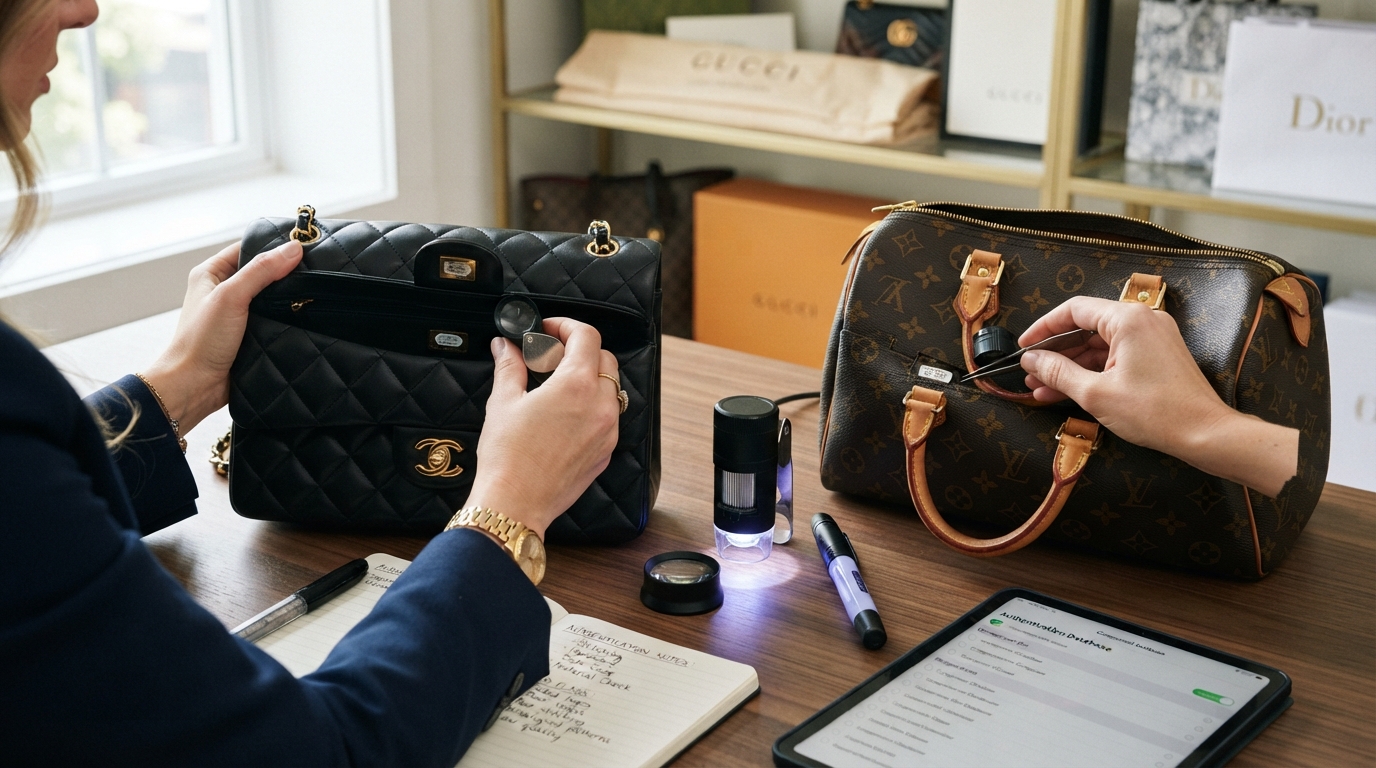
- Pick one or two categories you already understand, such as sneakers, fragrance or watches. Knowing the products makes it easier to spot fakes, judge condition and talk to buyers.
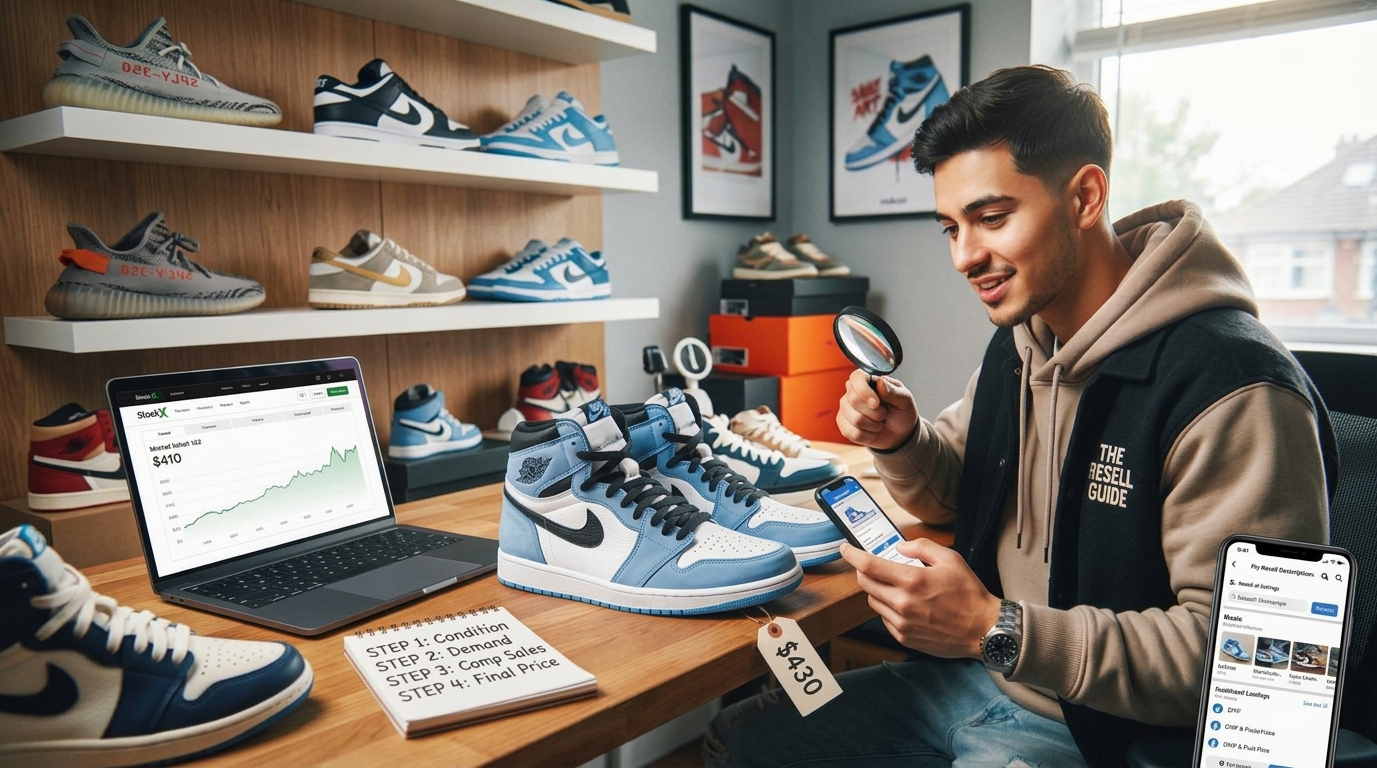
- Look at sold listings, not asking prices, on the marketplaces where you plan to sell. Sold prices tell you what buyers actually paid.
- Note how long items take to sell and which sizes, colours or models move fastest.
- Write down the fees and costs of each place you might sell, including payment processing, promotion and shipping.
By the end of the week you should be able to say what a typical item sells for, how long it takes, and what is left after fees. A simple spreadsheet or notebook with these numbers will save you from guessing later.
Week 2: Source your first items
Now buy a small first batch. The best beginner items have three things in common: steady demand, a clear market price, and a cost low enough to leave room for profit.
Wholesale access helps here because it lowers your cost before you start. Clubs such as Strictly·Cash give members direct wholesale pricing and show the expected resale price next to each item, so you can see the possible spread before you buy. Whatever source you use, check the authenticity guarantee and the delivery time first, because stock you are waiting for is cash you cannot reuse yet.
Before each purchase, work out your break-even price: what you paid plus fees, shipping and travel. If the recent sold range is only slightly above that number, skip the item and look for one with a healthier margin.
Week 3: List and sell
When your items arrive, photograph them in good light from several angles, write an honest description and price them from the sold listings you researched. Reply to messages quickly and be clear about condition, size and what is included.
Put the brand, model and size in your listing title so buyers can find it, and show any flaws in the photos rather than hiding them. Honest listings lead to fewer disputes and more repeat buyers.
Meet buyers in a safe public place if you sell locally, and prefer payment methods you can confirm instantly. If anything feels off, walk away.
Week 4: Review and reinvest
Add up what you spent and what you earned, including fees and travel. Which items sold fastest? Which sat? Use that to decide what to buy next. Reinvesting early profits keeps your stock moving and your learning going.
It also helps to note how much time each sale took. An item with a slightly smaller profit that sells in two days can be worth more to you than one with a bigger margin that sits for a month.
Common mistakes beginners make
- Pricing from asking prices instead of sold prices.
- Spending the whole budget on one item.
- Ignoring fees, shipping and time when counting profit.
- Buying items that are slow to sell.
- Skipping records, which makes tax time harder.
- Lowering prices too quickly instead of improving photos and titles first.
What to do next
Pick one category, research its sold prices this week, and write down your target margin before you buy anything. If you want wholesale pricing and ready-made listings to shorten the learning curve, you can see how it works on the Strictly·Cash home page and read the answers in the FAQ.
Reselling does not guarantee profit, and results depend on what you buy, how you price it and your local market. Treat the first month as paid practice and keep your risk small.
Frequently asked questions
How much money do I need to start reselling?
Many beginners start with a few hundred dollars so they can buy a handful of items and keep stock moving. The right amount depends on what you sell. Only use money you can afford to have tied up for a few weeks.
Is reselling hard for a complete beginner?
The skills are learnable: researching prices, writing a clear listing and communicating with buyers. Most of the difficulty is patience and discipline, not secret knowledge.
How long does it take to make the first sale?
It varies by item, price and market. Fast-moving items can sell within days and slower ones take weeks, which is why starting with items that have proven demand matters.
Do I need a business licence or to pay tax on resale income?
Rules depend on where you live. In most places resale income is reportable, so keep records from day one and check the current rules with a local accountant.
This article is general education, not financial, tax or legal advice, and not a promise of earnings. Resale prices change and results vary.