Maximizing Profit: Advanced eBay Listing Strategies for High-Value Items

In short: eBay listing strategies to maximize profit on high-value items, focused details, professional listings with excellent photos, strategic pricing, and more.
Key takeaways
- Invest in high-quality photos and detailed descriptions for high-value items.
- Strategically price items using market research and consider 'Best Offer' options.
- Offer secure, insured shipping and clear return policies to build buyer trust.
- Utilize eBay's promotional tools and consider international selling.
- Maintain excellent seller feedback and communication.
Maximizing profit on eBay for high-value items requires a strategic approach that goes beyond basic listing practices. It involves creating professional, trust-building listings, leveraging eBay's tools effectively, and understanding the nuances of selling premium goods. By focusing on detailed descriptions, high-quality visuals, smart pricing, and secure logistics, you can attract serious buyers and achieve higher selling prices.
This article will guide you through advanced eBay listing strategies specifically tailored for high-value items, helping you enhance visibility, build buyer confidence, and ultimately increase your profit margins.
Why High-Value Items Need Special Attention
High-value items, such as luxury watches, designer apparel, rare sneakers, or premium electronics, come with higher expectations from buyers. They are often more discerning, require more reassurance about authenticity and condition, and are less tolerant of ambiguities. A casual listing might deter potential buyers or lead to lower offers, directly impacting your profitability. Investing time upfront in a superior listing can yield significant returns.
Crafting an Irresistible Listing Title and Description
Your title and description are your primary sales tools. For high-value items, they need to be exceptionally clear, comprehensive, and compelling.
The Perfect Title: Keywords and Clarity
Your title should be packed with relevant keywords that potential buyers are likely to search for. Think like a buyer. Include:
- Brand Name: E.g., "Rolex," "Louis Vuitton," "Nike Air Jordan."
- Model/Style Name: E.g., "Submariner Date," "Speedy 30," "1 Retro High OG."
- Key Features: E.g., "Automatic," "Leather," "Unworn," "Limited Edition."
- Condition: E.g., "New with Tags," "Excellent Condition," "Pre-owned."
- Size/Color (if applicable): E.g., "Size 10," "Black."
Illustrative Example: Instead of "Nice Watch," use "Rolex Submariner 116610LN Date Black Dial Automatic Men's Watch Excellent Condition."
The Detailed Description: Building Trust and Answering Questions
For high-value items, the description is where you build trust and preemptively answer buyer questions. Include:
- Comprehensive Item Details: All specifications, materials, dimensions, and unique features.
- Accurate Condition Report: Be brutally honest. Describe any flaws, wear, or imperfections, no matter how minor. Use specific terms (e.g., "minor scratch on crystal at 3 o'clock position," "faint scuff on bottom corner").
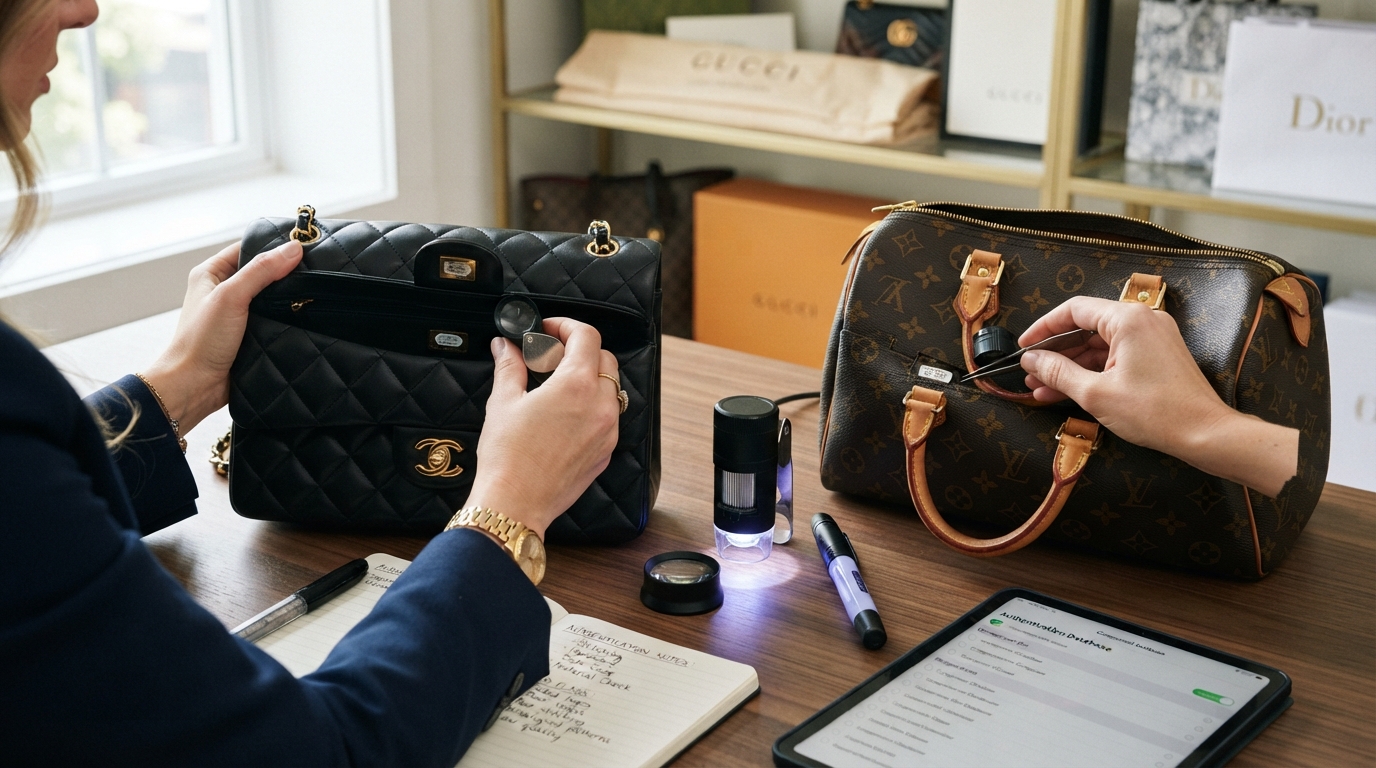
- Authenticity Guarantee: Clearly state that the item is 100% authentic. If you sourced it from a reputable wholesaler like Strictly·Cash, you can mention that it came from a trusted supply chain. (Note: Strictly·Cash is independent of the brands it lists.)
- Inclusions: List everything that comes with the item (original box, papers, dust bag, extra links, charger, etc.). This adds perceived value.
- History (if relevant): For vintage or rare items, a brief, verifiable history can be compelling.
- Reason for Selling (Optional): Sometimes, a simple, honest reason can humanize the listing.
Use bullet points and clear paragraphs to make the description easy to read. Avoid jargon unless it's common in the specific niche.
The Power of Professional Photography
High-value items demand high-quality visuals. Poor photos can instantly devalue an item in a buyer's mind.
Essential Photo Tips:
- High Resolution: Use a good camera or smartphone. Blurry or pixelated images are unacceptable.
- Excellent Lighting: Natural, diffused light is best. Avoid harsh shadows or direct flash. A light box can be a great investment.
- Multiple Angles: Show the item from all sides, top, bottom, and close-ups of specific details (e.g., brand logos, serial numbers, unique features, and any noted imperfections).
- Show Inclusions: Photograph all accessories, boxes, and papers.
- Consistency: Use a plain, neutral background (white or light grey works well) to make the item stand out.
- No Filters: Present the item as accurately as possible. Filters can distort colors and condition.
Aim for 8-12 high-quality photos at minimum, utilizing all available photo slots on eBay.
Strategic Pricing and Listing Formats
Pricing high-value items requires research and a calculated approach.
Researching the Market
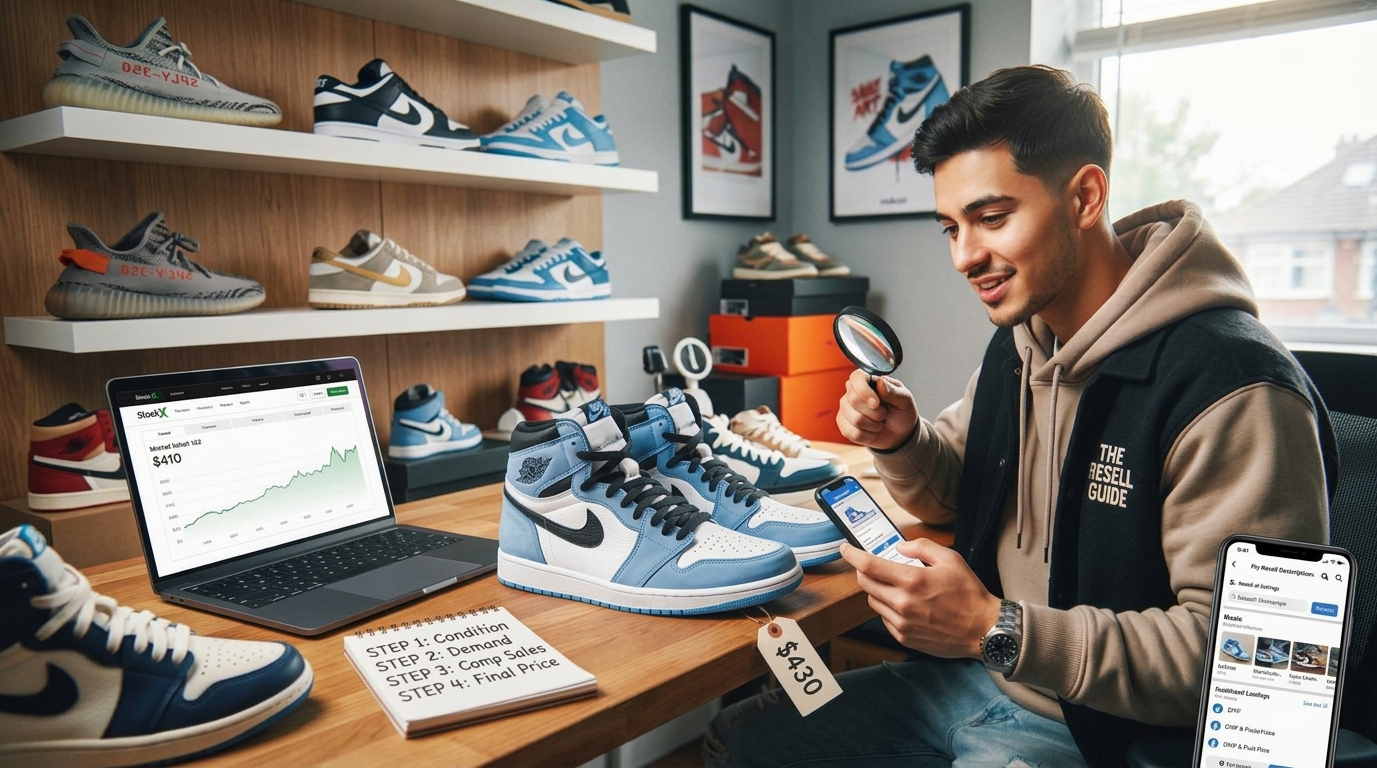
- Completed Listings: Search eBay's "Sold Items" filter for identical or similar items to see what they actually sold for. This is the most reliable indicator of market value.
- Active Listings: See what competitors are currently asking, but remember these are asking prices, not necessarily selling prices.
- Other Platforms: Check prices on specialized forums, luxury consignment sites, or brand-specific marketplaces.
Choosing a Listing Format
- Buy It Now (BIN): Often preferred for high-value items. It allows you to set a firm price. Consider adding a "Best Offer" option to allow negotiation while still protecting your minimum.
- Auction: Generally not recommended for very high-value items unless you are confident of significant bidding activity or have a very low starting price you're comfortable with. There's a risk of the item selling for less than its true value if bidding doesn't take off.
Setting Your Price
Price competitively based on your research. If you're confident in your item's condition and your listing quality, you can price slightly higher than average. Always factor in eBay's fees and shipping costs when determining your desired profit margin.
Shipping, Returns, and Buyer Confidence
For high-value items, secure shipping and clear policies are non-negotiable.
Secure and Insured Shipping
- Insurance: Always insure high-value items for their full selling price. This protects both you and the buyer.
- Signature Confirmation: Require a signature upon delivery. This is crucial for eBay's seller protection policies.
- Robust Packaging: Use sturdy boxes, ample padding, and tamper-evident tape. Double-boxing is often a good idea for fragile items.
- Expedited Shipping: Offer faster shipping options, even if it costs a bit more. Buyers of high-value items appreciate quicker delivery.
- International Shipping: Consider eBay's Global Shipping Program (GSP) or direct international shipping. This significantly expands your buyer pool, especially for unique or rare items. Strictly·Cash offers worldwide shipping, so you can source globally and sell globally. When selling internationally, be mindful of customs duties and taxes, which are typically the buyer's responsibility (GSP handles this).
Clear Return Policy
While you might be tempted to offer "No Returns" for high-value items, offering a reasonable return policy (e.g., 14 or 30 days) can actually increase buyer confidence and sales. Clearly state the conditions for returns (e.g., item must be returned in original condition, buyer pays return shipping). For high-value items, it's wise to document the item's condition thoroughly before shipping with additional photos or even video.
Leveraging eBay's Promotional Tools
Don't just list and hope. Use eBay's features to get your high-value items in front of more buyers.
Promoted Listings
Consider using Promoted Listings Standard, especially for items with high competition or unique appeal. You set an ad rate (a percentage of the final sale price), and eBay promotes your listing across its network. This can be a very effective way to increase visibility and attract serious buyers willing to pay a premium.
eBay Authenticity Guarantee
For eligible categories like sneakers, watches, and handbags, eBay's Authenticity Guarantee program is invaluable. It provides a free authentication service by independent experts, adding a layer of trust that is critical for high-value items. Buyers are far more likely to purchase when they know the item will be professionally authenticated.
Building and Maintaining Seller Reputation
Your seller reputation is paramount, especially when dealing with high-value goods. Buyers will scrutinize your feedback score and read comments.
- Excellent Communication: Respond promptly and professionally to all buyer inquiries.
- Accurate Descriptions: Always ensure your item matches your description and photos exactly.
- Fast Shipping: Ship quickly and provide tracking information.
- Professionalism: Handle any issues or returns gracefully and professionally.
By consistently delivering a positive buying experience, you build a strong reputation that attracts more buyers and justifies higher prices for your high-value inventory. For more tips on getting started, check out our /blog/category/getting-started articles.
Conclusion
Selling high-value items on eBay requires a meticulous and strategic approach. By investing in detailed listings, professional photography, smart pricing, secure logistics, and leveraging eBay's advanced tools, you can significantly enhance your chances of maximizing profit. Remember, buyers of premium goods are looking for reassurance and transparency, and a well-executed listing provides exactly that, setting you apart from the competition.
Unlock new revenue streams by joining Strictly·Cash, our official reseller network.
This article is general education, not financial, tax or legal advice, and not a promise of earnings. Resale prices change and results vary.